
News & events
Introducing the National Authorities Circle: Interview with co-lead Liv Baisner Petersen
19 October 2026
Back to news & eventsIn late September, the launch of the GENDERACTIONplus2027 Community of Practice brought national authorities (NAs) and research and innovation funding organisations (RFOs) together to begin a new phase of collaboration on inclusive gender equality in research and innovation.
Following the meeting, Emmalynn Hansen spoke with Liv Baisner Petersen, Head of the Gender & Equality Team at the University of Southern Denmark and co-lead of the National Authorities Circle. Liv reflects on the launch, the experience members bring to the community, and how the Circle will support peer learning around national policy and implementation challenges.
Why is it important to involve NAs in advancing inclusive gender equality in research and innovation?
Liv: National Authorities are important because they sit at a critical interface between European policy ambitions and national implementation. European objectives may be shared, but they are translated into very different legal, institutional and political settings.
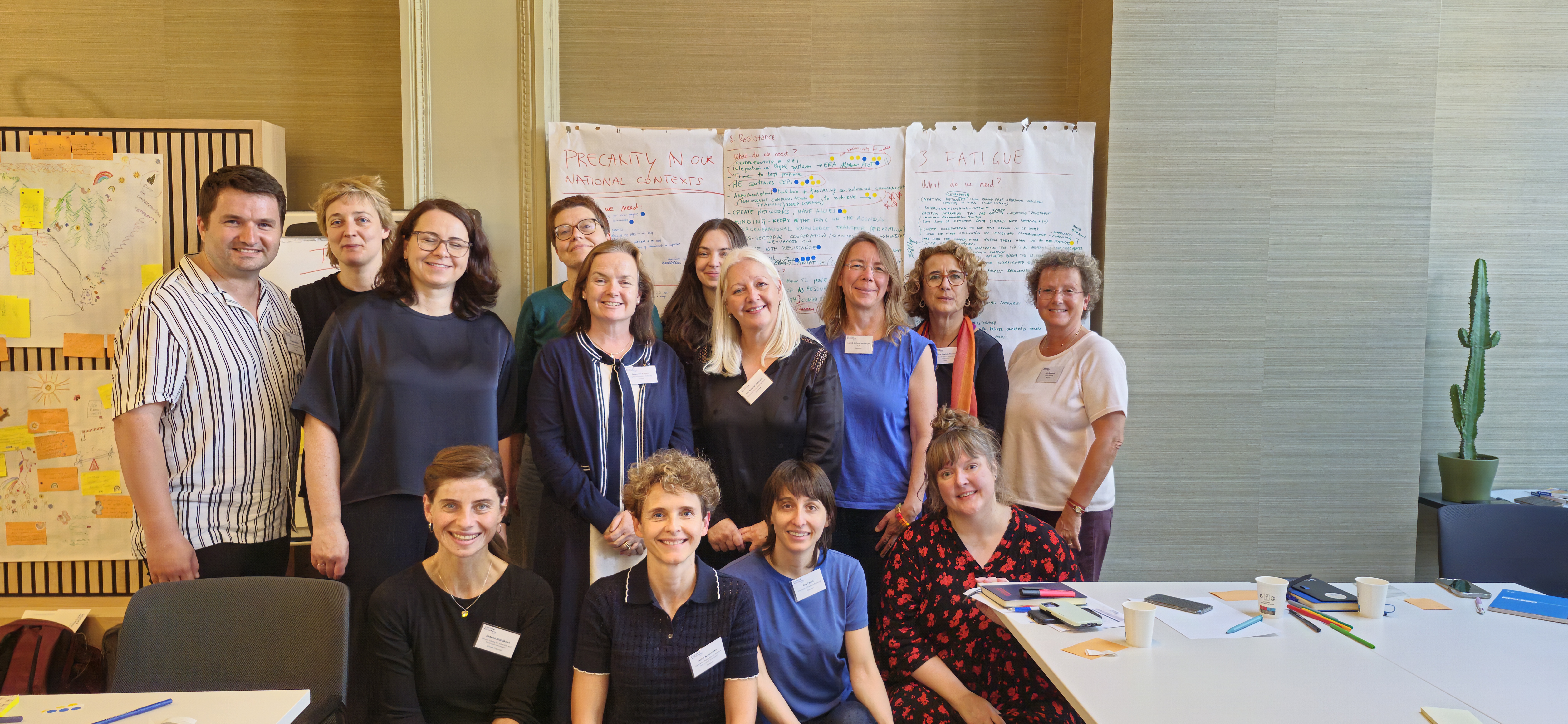
The launch meeting made this clear. We saw both recurring challenges across countries and very real differences in how they play out. Political priorities, available resources, accountability mechanisms, institutional structures and the people involved can all change what is possible. The value of the NA Circle is therefore not to look for one model that fits everyone, but to identify patterns, learn from each other and understand what can be adapted across contexts.
What lessons from the previous GENDERACTIONplus CoP will inform the new CoP?
Liv: One important lesson is that peer learning is most valuable when it is closely connected to the concrete issues people are trying to solve. Exchange is useful, but we want the NA Circle to go further: members should be able to bring in their concrete implementation challenges, draw on experience already present in the group and leave with something they can use or explore in their own context.
How will the new Community of Practice work in practice and what can members expect from the NA Circle?
Liv: The NA Circle is intended to be a working space. Members can expect practical mutual learning, peer support and policy exchange around concrete national implementation challenges.
The launch gave us a clear direction for this. Members wanted working sessions with manageable preparation, opportunities for small-group exchange and, importantly, actionable takeaways: what can we try, follow up or bring back before we meet again? We also began developing an initial roadmap around three practical areas: reaching people who are currently missing from our conversations, inclusive communication, and sustaining engagement without reproducing the fatigue that many people working in gender equality already experience.
What priorities and needs do the NAs and RFOs hope to explore together?
Liv: Our first cross-Circle exchange was deliberately exploratory, and it yielded important points of departure for our joint thinking.
One that stood out is the importance of national coordination and role clarity: who is responsible for what, where do National Authorities and RFOs connect, and how those relationships can work more effectively in practice. Another is implementation learning. RFOs have very concrete experience of what happens when policy objectives meet funding calls, evaluation procedures, data requirements, monitoring and limited organisational resources. National Authorities bring a broader policy and coordination perspective. Looking at those two perspectives together can help identify where implementation barriers materialise and whether they can be addressed organisationally, nationally or at European level.
How do you hope to reinforce the role of NAs in advancing gender equality and inclusiveness through the work of the NA Circle?
Liv: I hope the circle will help National Authorities strengthen their work at home and learn from each other’s approaches to national coordination. Members can compare how they organise responsibilities, work with other actors and use evidence from monitoring to identify where policies are working and where gaps remain.
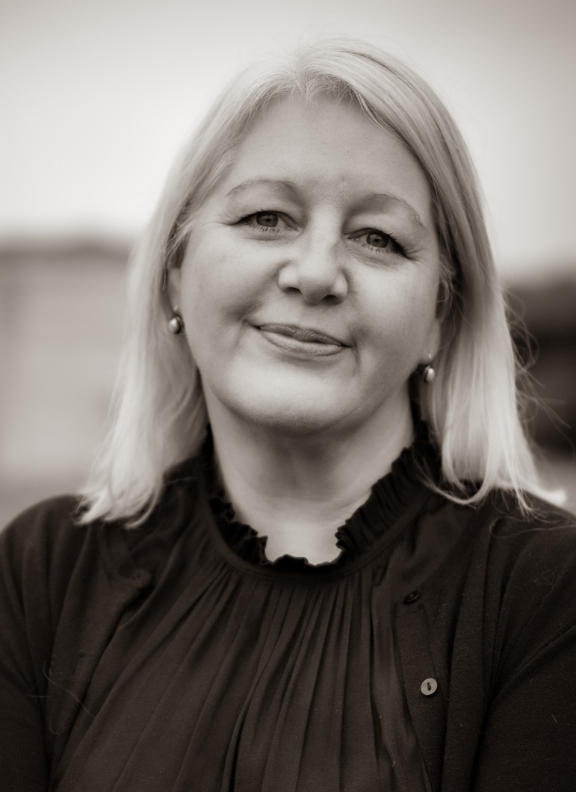
The launch reminded me that keeping gender equality on the agenda takes continuous work. Progress often depends on committed people, but it also needs clear responsibilities, resources and political support to last. Through the Circle we can share what has helped in different national settings and use those lessons to make the case for gender equality in the next policy cycle.
“Keeping gender equality on the agenda takes continuous work.“
What can you share as some key takeaways you’re taking from the launch meeting?
Liv: One thing that stayed with me from the launch was how vulnerable progress can be. Priorities change, people leave their roles and resources are reduced. We talked about the importance of reaching new people, communicating in ways that bring them into the conversation and building alliances. But communication alone is not enough. People also need a mandate, time and resources to act. For me, this is exactly why the Circle should be a place where members can talk openly about what has worked, what has not and what is needed to keep going.
What are you most looking forward to as the CoP evolves?
Liv: I am particularly looking forward to seeing how the NA Circle develops as a space where members can support each other in dealing with the challenges they face in their national contexts. The launch showed how much experience already exists in the Circle, but also how differently similar challenges can play out depending on political priorities, institutional arrangements and available resources. I hope we can make good use of that diversity and build relationships that members can draw on in their everyday work. I am also interested in how the exchange with the RFO Circle develops. Our first joint session raised quite practical questions about national coordination, responsibilities and communication between NAs and RFOs. For me, the value lies in understanding these challenges from both sides and exploring where sharing experiences or working more closely together could make a difference. In late September, the launch of the GENDERACTIONplus2027 Community of Practice brought national authorities (NAs) and research and innovation funding organisations (RFOs) together to begin a new phase of collaboration on inclusive gender equality in research and innovation.